


Your driveway is one of the first things people notice about your home, but it’s also exposed to some of the harshest conditions. From Melbourne’s changing weather to daily vehicle traffic, concrete driveways experience constant wear and tear that can eventually lead to cracking, fading and surface deterioration.
While some ageing is inevitable, understanding what causes these issues can help you maintain your driveway and avoid costly repairs or replacement.
Here’s why driveways crack and fade over time, and what you can do about it.
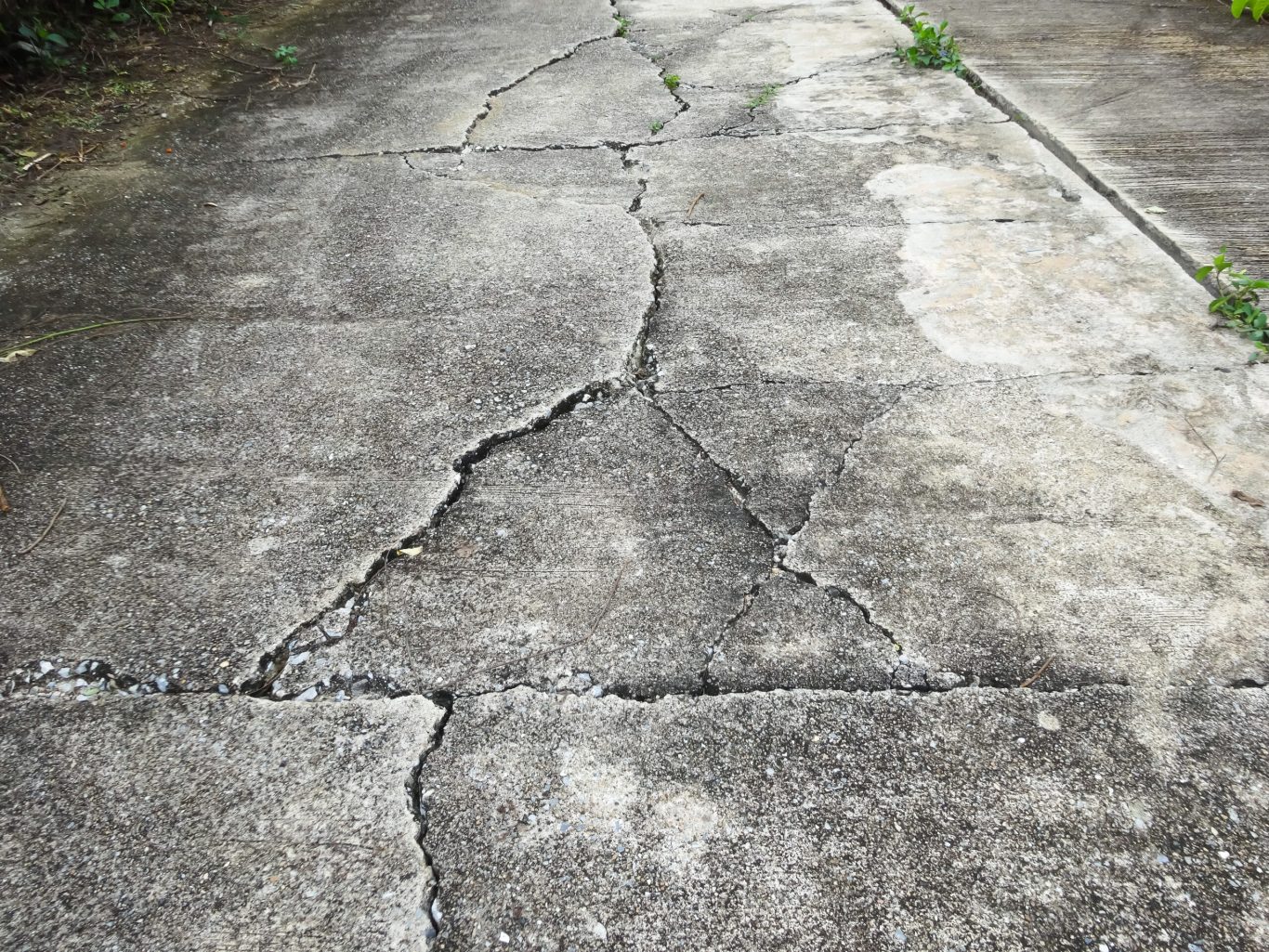
Melbourne’s Changing Weather
Concrete naturally expands and contracts as temperatures change.
During hot weather, the concrete expands. As temperatures cool, it contracts again. Over many years, this continual movement places stress on the surface, eventually causing small cracks to appear.
Heavy rain can also contribute by allowing moisture to penetrate tiny cracks, which weakens the surface over time.
Although concrete is built to withstand Australia’s climate, decades of exposure will gradually take their toll.
UV Exposure Causes Colour Fading
Sunlight is one of the biggest reasons decorative driveways lose their original appearance.
Constant UV exposure gradually breaks down sealers and pigments, causing colours to become dull and faded.
Signs of UV damage include:
- Loss of colour vibrancy
- Patchy or uneven colouring
- Worn protective sealers
- Dry, chalky surface appearance
Regular resealing helps protect decorative concrete from UV damage and extends its lifespan.
Heavy Vehicle Traffic
Driveways are designed for vehicles, but repeated heavy loads place significant stress on concrete.
Common causes include:
- Large SUVs
- Caravans
- Boats
- Delivery trucks
- Construction vehicles
Repeated loading can create pressure points that eventually lead to cracking, particularly if the concrete was not designed for heavier vehicles.
Ground Movement
The ground beneath a driveway naturally shifts over time.
Movement can occur because of:
- Soil settlement
- Poor compaction
- Expansive clay soils
- Nearby excavation
- Seasonal moisture changes
As the foundation moves, unsupported sections of concrete begin to crack.
This type of damage often appears as long, continuous cracks rather than small surface imperfections.
Tree Roots
Trees add beauty to a property, but their roots can create major problems for nearby driveways.
As roots grow beneath concrete, they exert upward pressure on the slab.
This may cause:
- Cracks
- Lifting
- Uneven surfaces
- Trip hazards
Choosing suitable planting locations and installing root barriers can help minimise future damage.
Poor Drainage
Water is one of concrete’s biggest long-term enemies.
If water continually pools on your driveway, it can slowly penetrate the surface and weaken the concrete.
Poor drainage may result from:
- Incorrect driveway falls
- Blocked drains
- Low spots
- Soil erosion
Standing water also accelerates sealer breakdown and encourages staining.
Poor Initial Installation
Unfortunately, some driveway problems begin long before the concrete cures.
Issues during installation may include:
- Incorrect concrete mix
- Insufficient reinforcement
- Poor base preparation
- Inadequate curing
- Incorrect joint placement
These shortcuts often reduce the driveway’s lifespan and increase the likelihood of future cracking.
Can a Cracked or Faded Driveway Be Restored?
In many cases, yes.
If the underlying concrete remains structurally sound, professional concrete resurfacing can restore the appearance of an ageing driveway without the expense of complete replacement.
Resurfacing can:
- Cover surface imperfections
- Repair minor cracks
- Restore faded colours
- Improve slip resistance
- Add decorative finishes
- Extend the life of the existing driveway
Compared with full replacement, resurfacing is often faster, more affordable and less disruptive while delivering impressive visual results.
How to Extend the Life of Your Driveway
Regular maintenance helps protect your investment and delay costly repairs.
Simple maintenance includes:
- Pressure washing to remove dirt and grime
- Cleaning oil and chemical spills promptly
- Resealing decorative concrete every few years
- Repairing small cracks before they grow
- Ensuring proper drainage around the driveway
- Avoiding unnecessary heavy vehicle loads
A little preventative maintenance can add many years to your driveway’s lifespan.
Give Your Driveway a Fresh New Look
Cracking and fading are common signs of an ageing driveway, but they don’t always mean you need to start from scratch.
Professional concrete resurfacing offers a cost-effective way to restore your driveway’s appearance, improve durability and increase your home’s street appeal.
If your driveway is showing signs of wear, the experienced team at SprayCrete Design can assess its condition and recommend the most suitable solution for your property. They specialise in driveway resurfacing, concrete repairs and decorative finishes throughout Melbourne.